Why Houston Lawns Fail (And the
3-Season Fix That Brings
Them Back)
Chinch bugs look like drought. Brown patch looks like heat stress. Clay soil makes everything worse. We've documented the actual diagnosis — and the fix — for three real Houston yards.
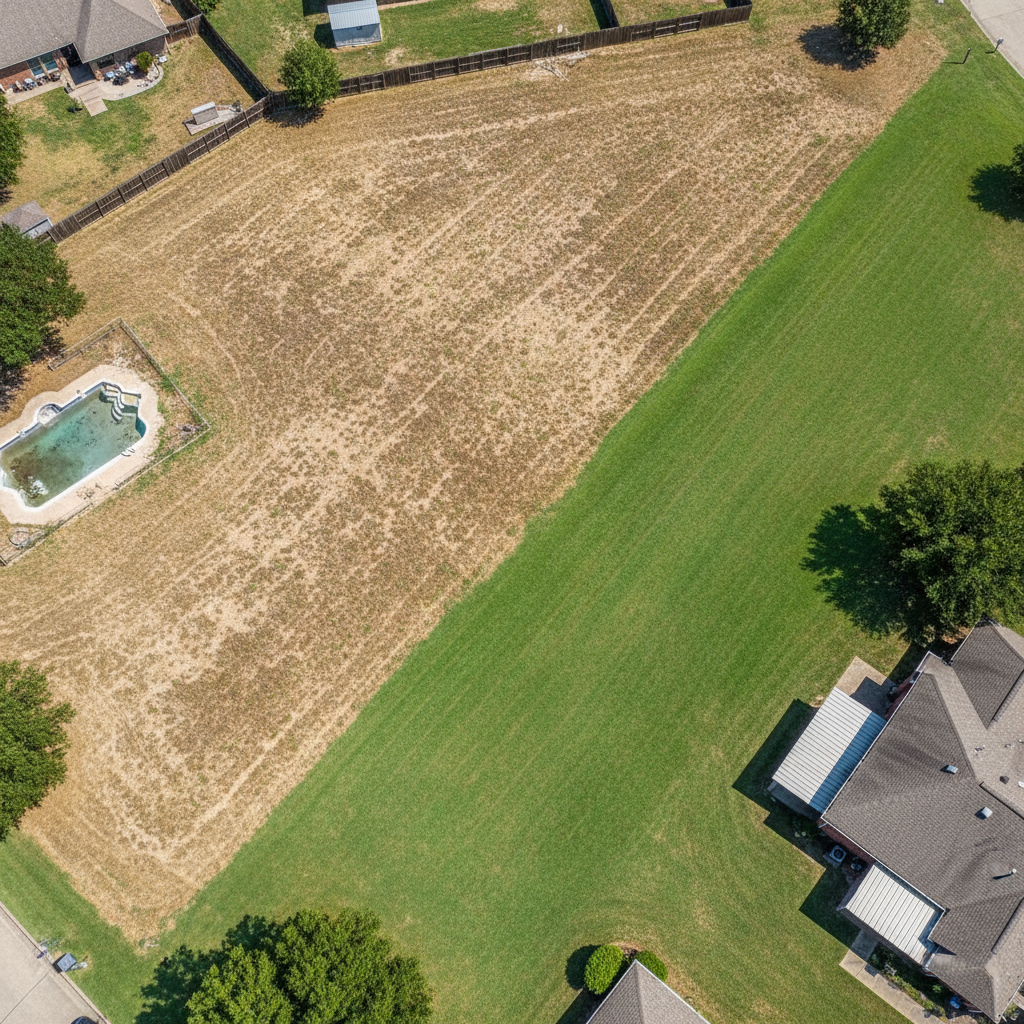
Before & After
Week 1 → Week 12
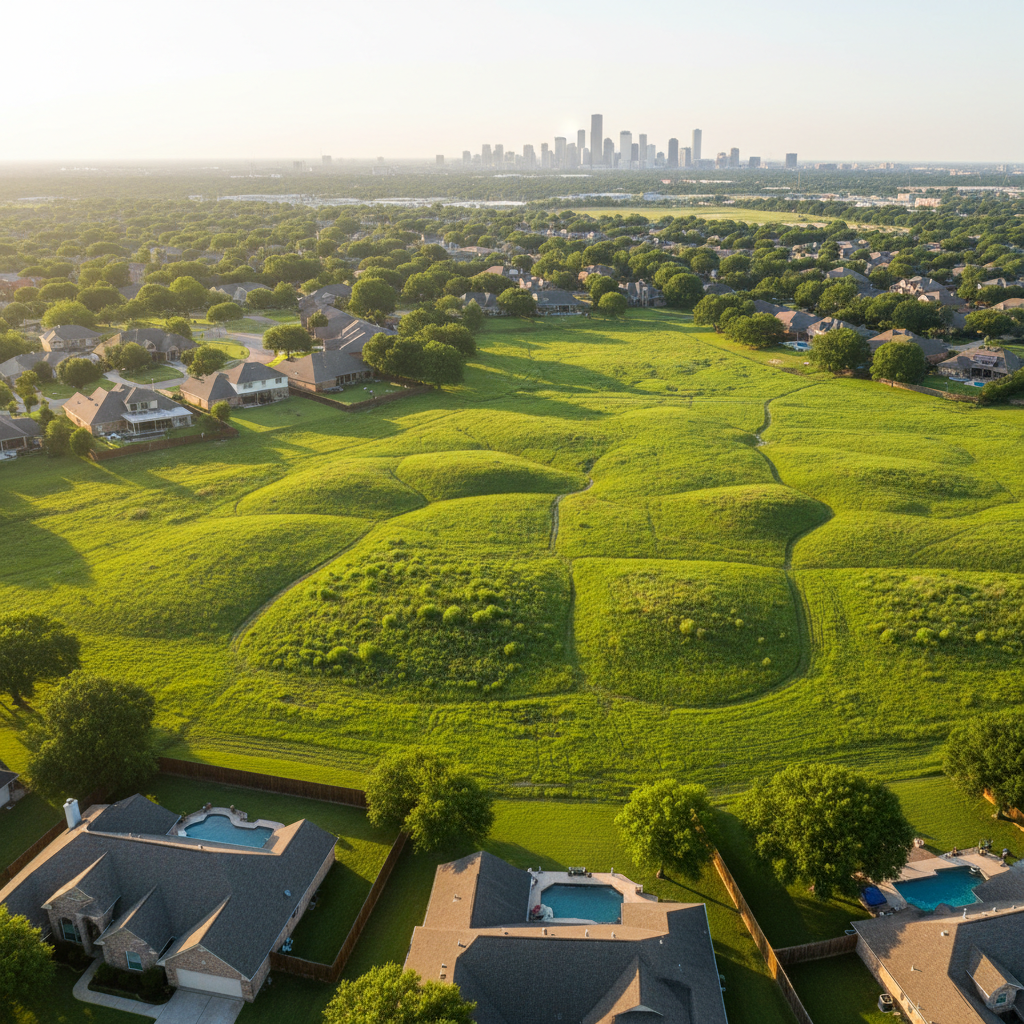
"My grass looked like it needed water.
It didn't."
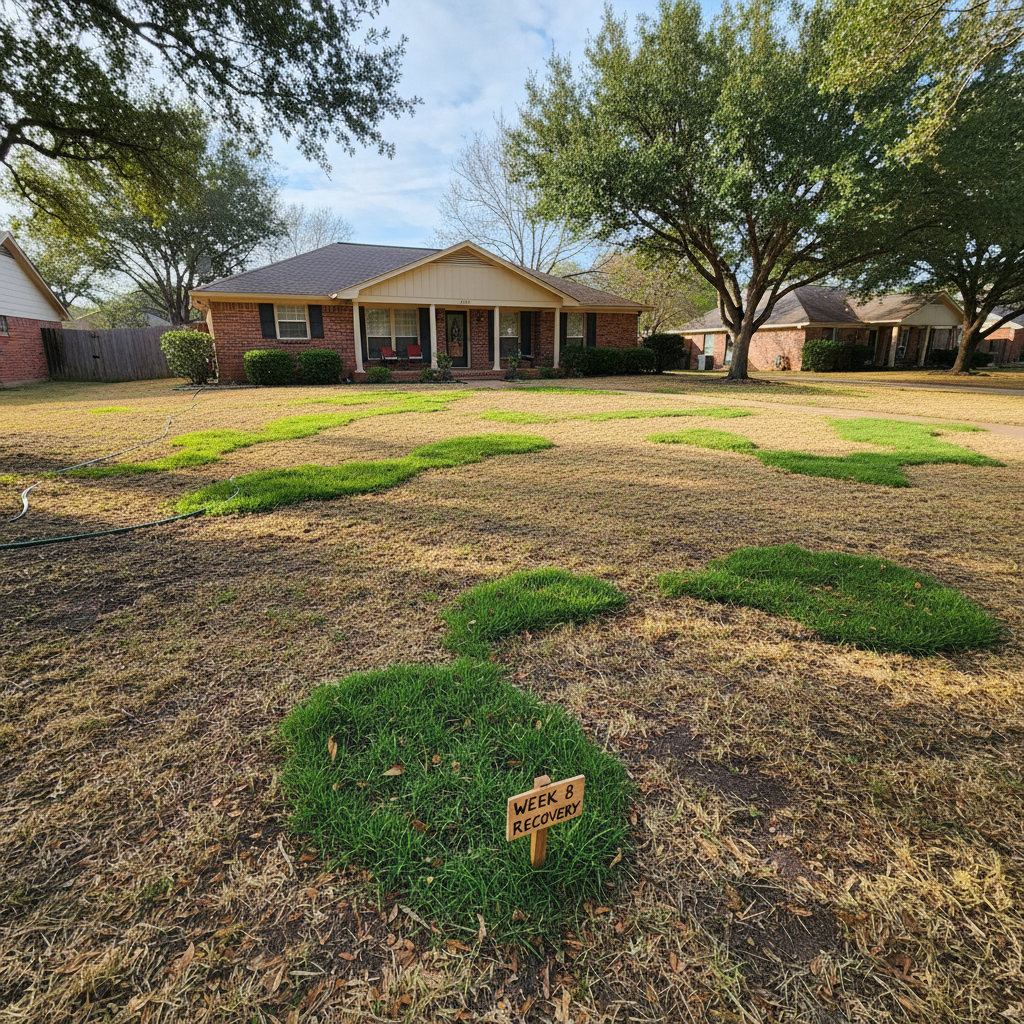
The Garcias in Grayson Lakes had been running their irrigation twice a day for three weeks. The brown patches kept spreading. Their previous lawn company said "drought stress" and charged for an extra watering cycle. It made things worse.
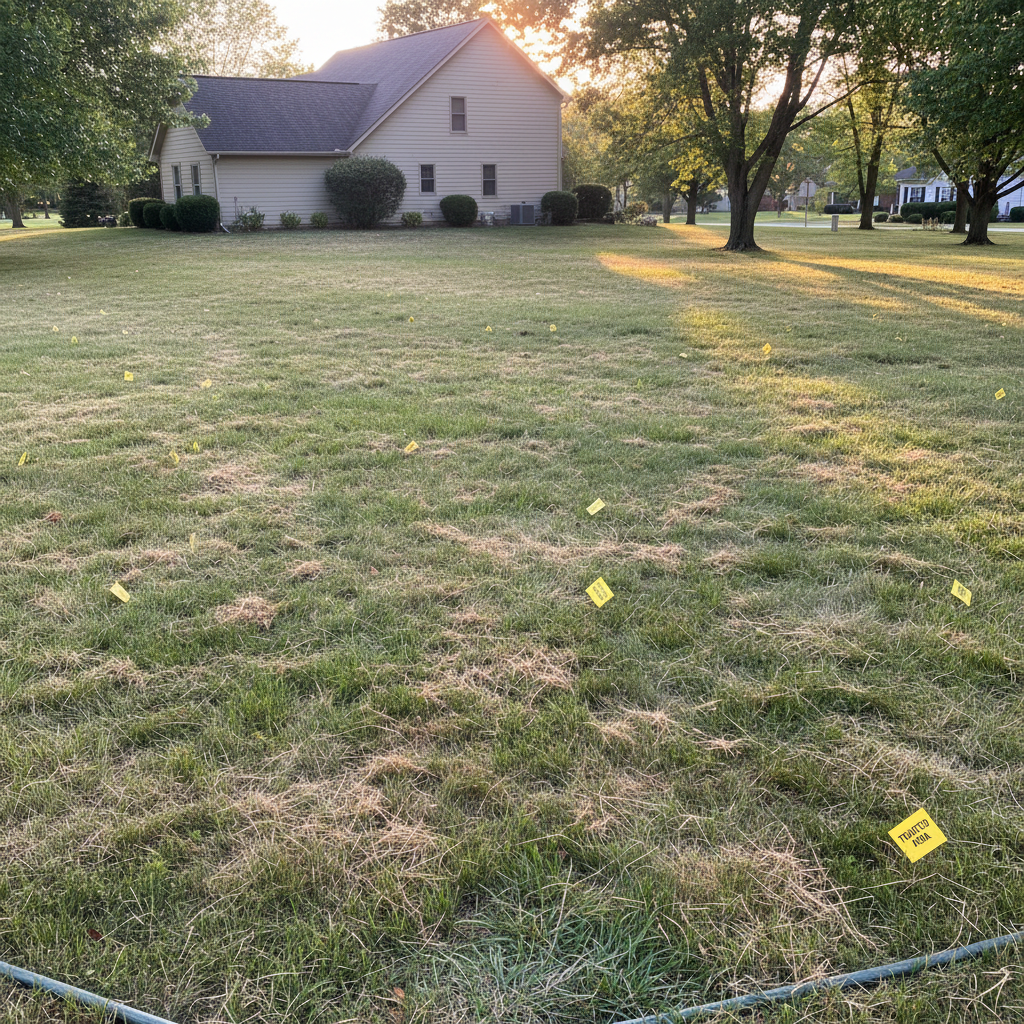
We ran a flotation test — you cut a coffee can both ends, push it 2 inches into soil at the damage edge, fill it with water, and count what floats. Twelve chinch bugs in 90 seconds. Diagnosis: confirmed. Chinch bugs inject a toxin as they feed. The grass wasn't thirsty. It was being poisoned.
Treatment Timeline
Confirmed chinch bugs via flotation test — not drought, not fungus. Damage concentrated near concrete where soil temps exceeded 95°F.
Broadcast spray across affected 1,400 sq ft. Watered in lightly. Advised no irrigation for 24 hrs.
19-4-10 fertilizer applied at 6 lbs / 1,000 sq ft to fuel recovery. Chinch activity confirmed eliminated.
St. Augustine runner coverage at 94%. No reseeding required. Pre-emergent applied for fall weed prevention.
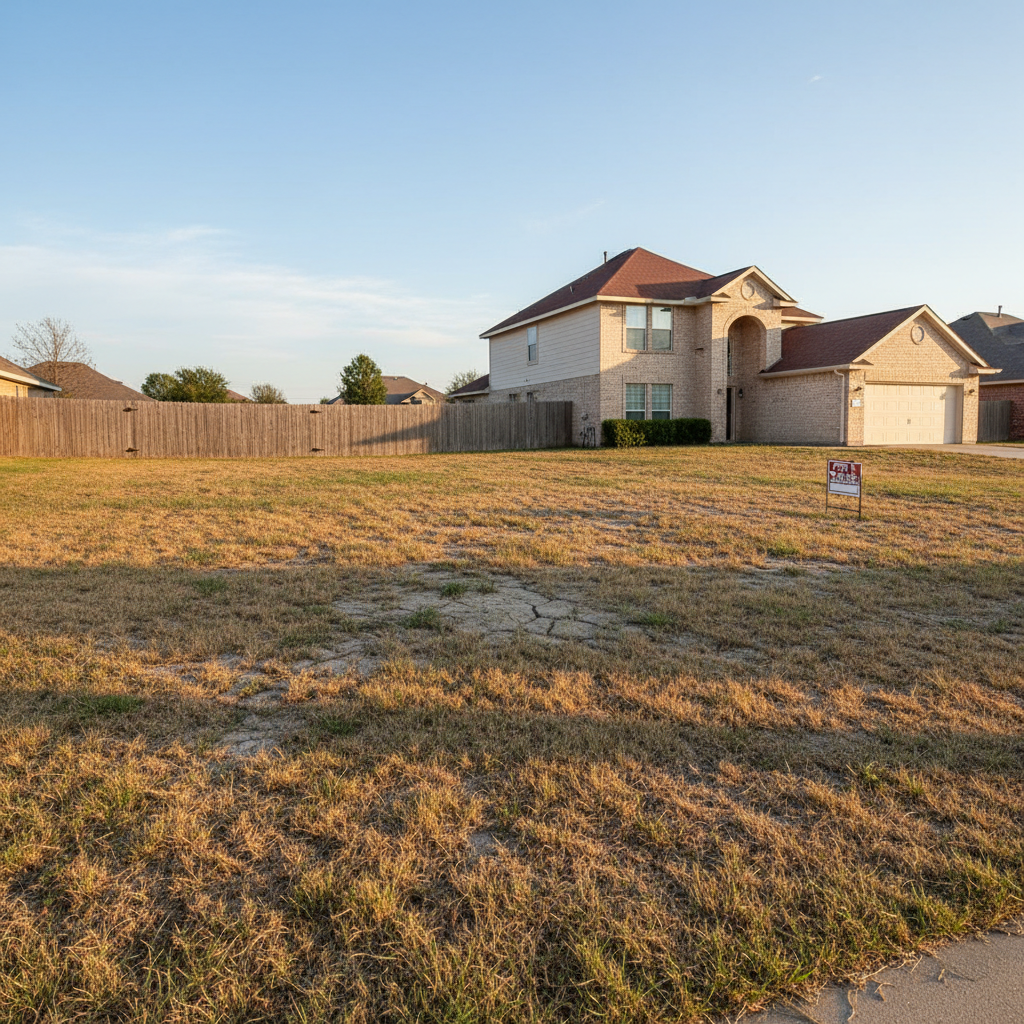
Soil Analysis · Telfair Sample
The soil was starving the grass
before it ever got thirsty.
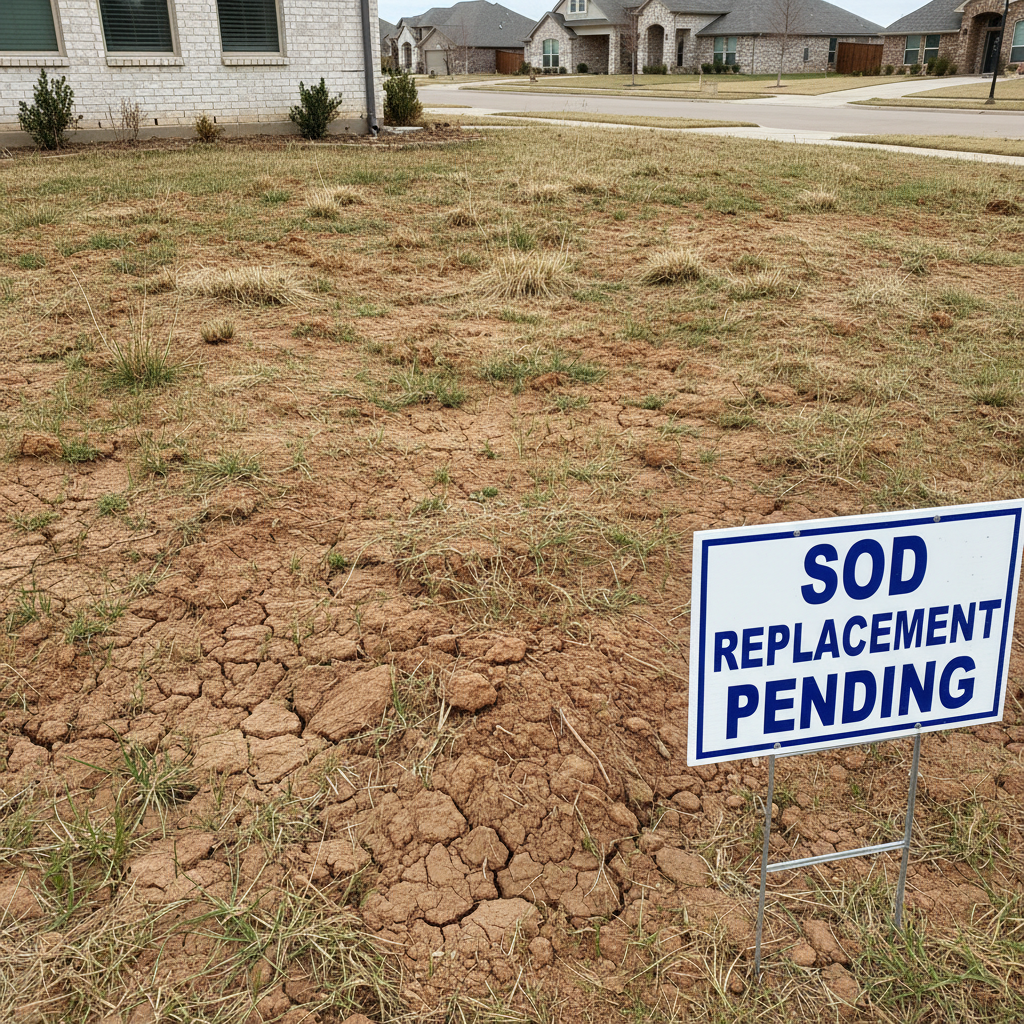
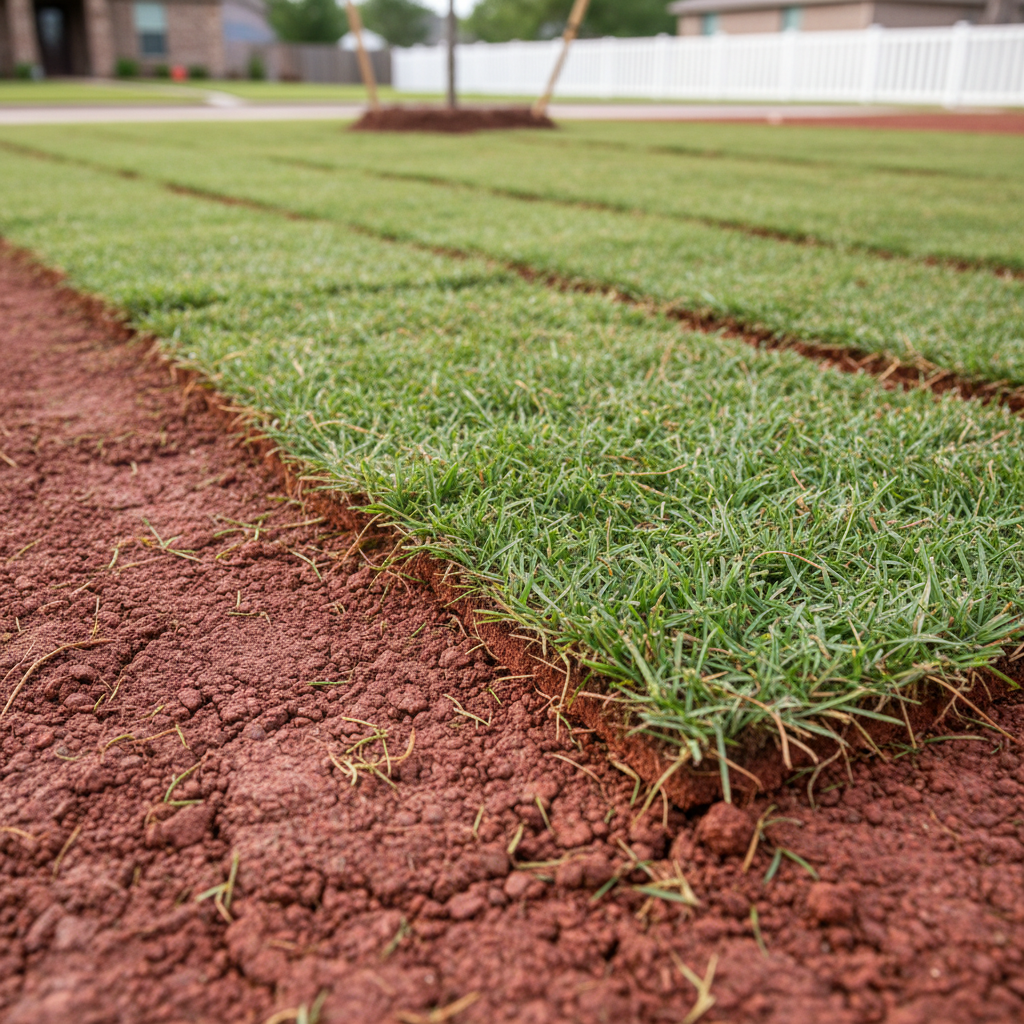
The Nguyens had fertilized every spring for four years. Nothing worked. Their lawn company kept recommending more product. What nobody had done was test the soil. Fort Bend County clay at pH 8.1 doesn't absorb nutrients — it locks them out. Every bag of fertilizer was essentially washing away in the next Gulf storm.
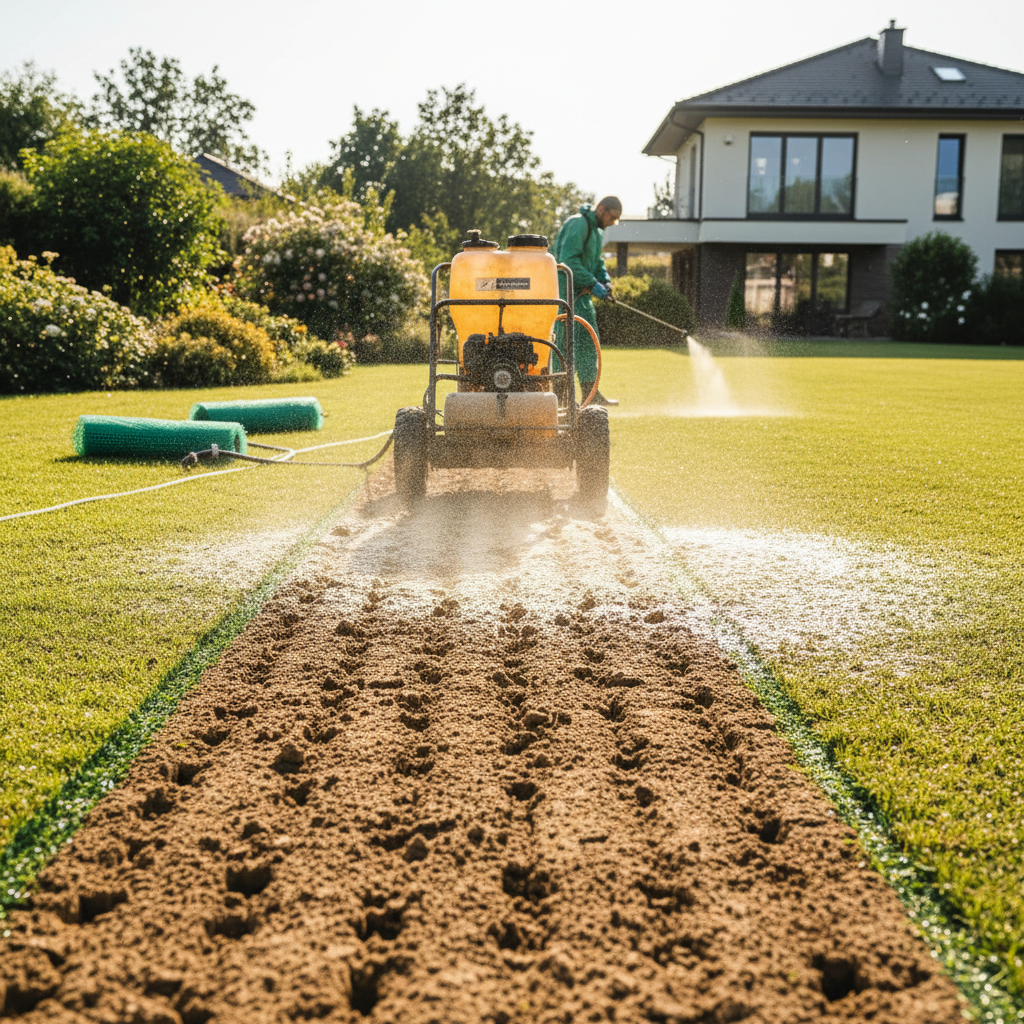
Standard plug aeration was already on their maintenance plan. It provided about three weeks of relief before the clay sealed back over. We switched to liquid aeration — it breaks the chemical bonds in the clay structure rather than just punching holes that close immediately. Combined with agricultural sulfur to correct pH over 60 days, and new Palmetto sod on amended topsoil, this was a complete rebuild.
Treatment Timeline
pH at 8.1 — locking out iron and manganese. Confirmed Fort Bend County heavy clay with near-zero percolation. Standard plug aeration would close within 30 days.
BioSoil liquid aeration applied to break chemical bonds. Agricultural sulfur at 10 lbs / 1,000 sq ft to begin pH correction over 60–90 days.
2,200 sq ft Palmetto St. Augustine installed. No Bermuda — wrong choice for this shade profile. Sod laid over 2 inches fresh topsoil blended with expanded shale.
Sod rooted to 3-inch depth. pH corrected to 7.2. Fall Special fertilizer applied. Irrigation reduced to weekly 1-inch cycles.
The most expensive treatment
is the one you needed but missed.
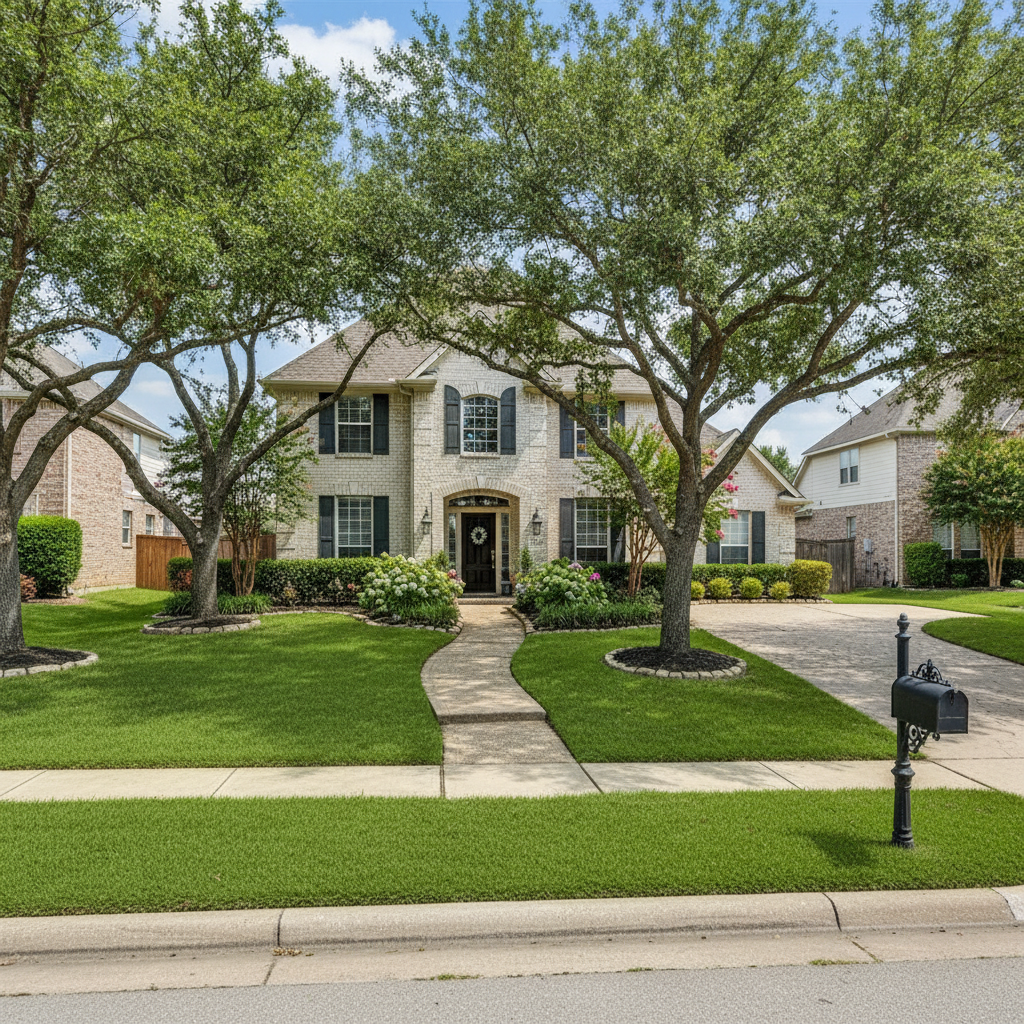
The Pattersons retired to Tanglewood in 2022 and wanted one thing: a yard that looked like the model home on their street without becoming amateur chemists. Their previous lawn had chinch damage in August 2023, brown patch in October, and nutsedge by spring 2024. Three separate problems, three separate treatments, all reactive.
We started a 12-month preventive maintenance plan in January 2025. The core insight: lower nitrogen rates (2 lbs N / 1,000 sq ft / year) make St. Augustine less attractive to chinch bugs. Pre-emergent atrazine in March eliminates 80% of the summer weed pressure before it germinates. Bi-weekly monitoring visits from June through September catch pest activity at day 3, not day 30 when the damage is visible.
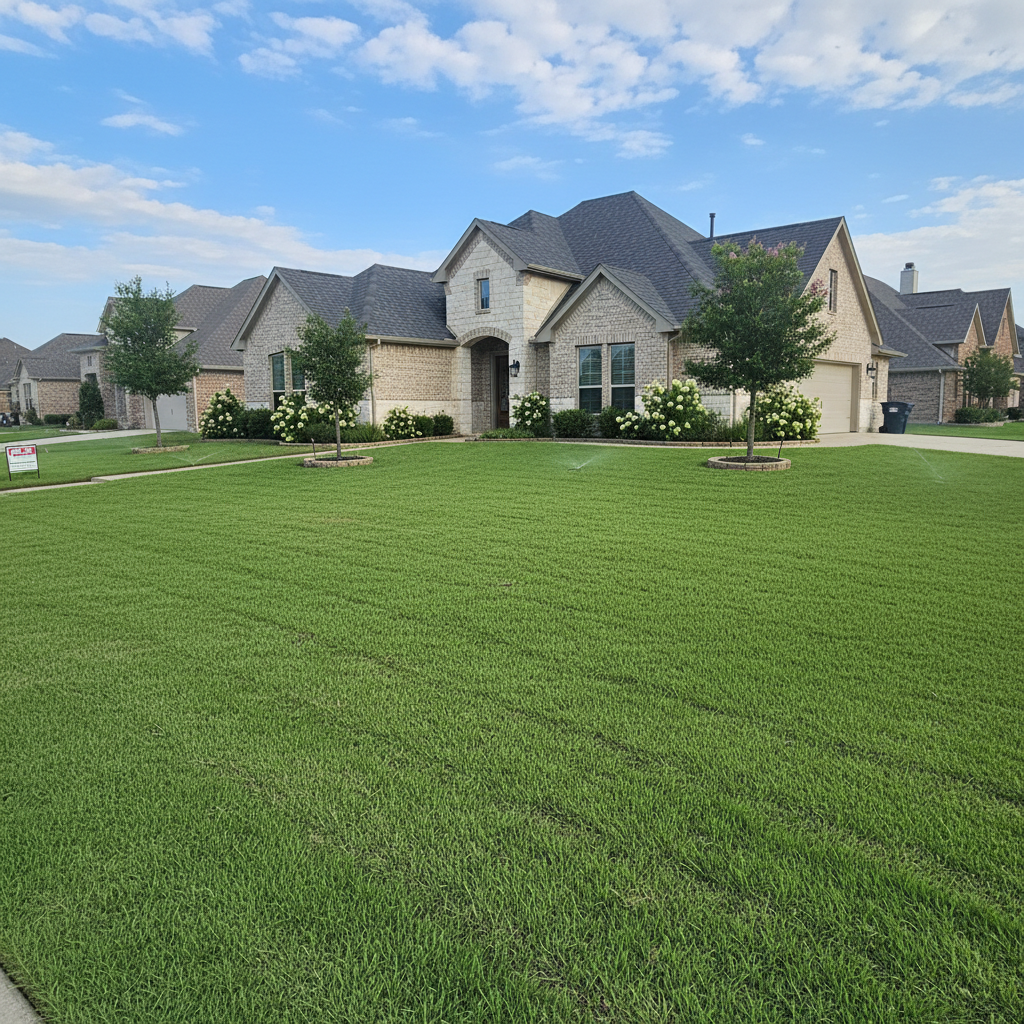
Through the entire 2025 season — Houston's hottest July on record — the Pattersons had zero chinch activity, zero fungal events, and a weed count their neighbor described as "not fair." The cost was 30% less than their reactive 2024 spend.
The key insight
Chinch bug damage looks identical to drought stress. By the time you can see the brown patches, the infestation is 4–6 weeks old. Bi-weekly monitoring visits during June–September catch activity at the single-digit bug count — before the toxin injection begins killing root tissue.
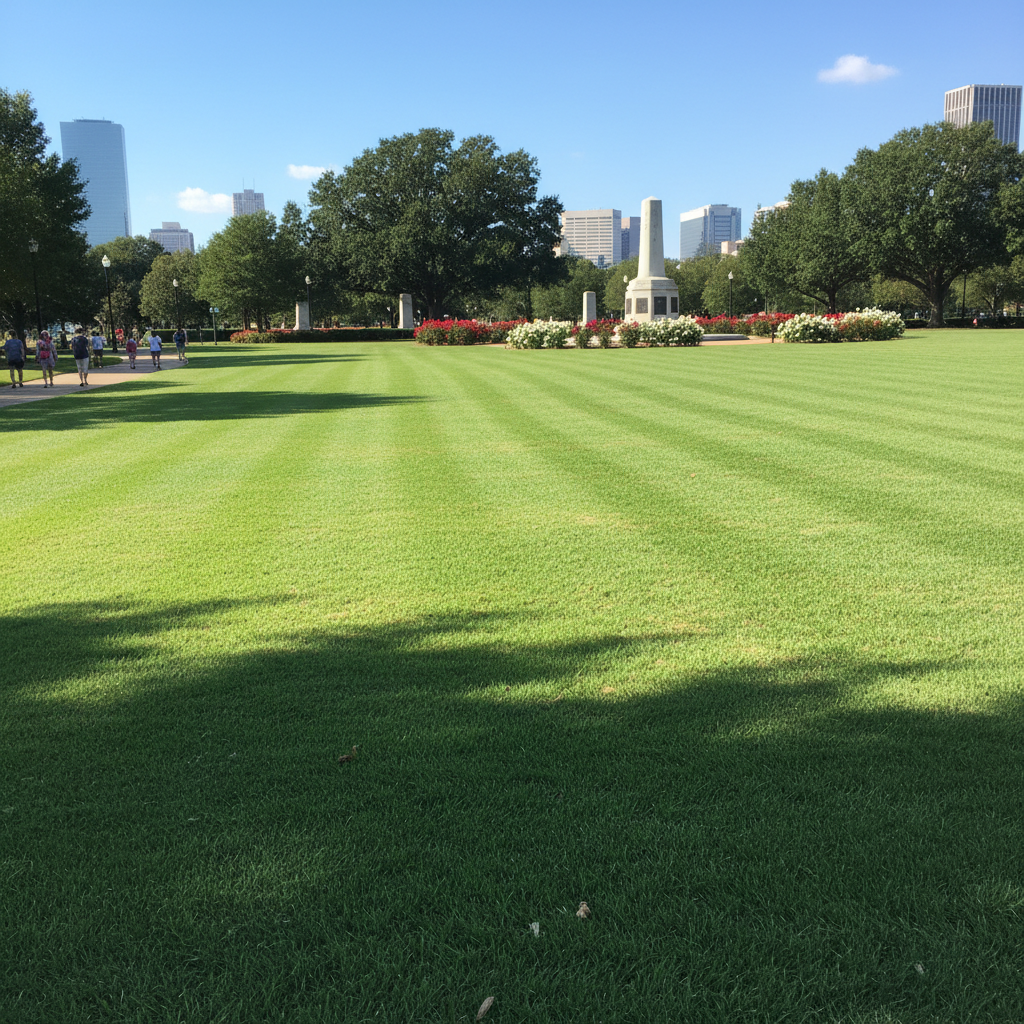
Tanglewood · August 2025
Hottest July on record. Zero chinch activity.
Houston Lawn Calendar · Annual Schedule
Full 12-month printable PDF available below — free with your email.
Download the
Houston Lawn Calendar
A printable month-by-month treatment schedule built specifically for Greater Houston soil, climate, and grass types. Covers fertilization windows, pre-emergent timing, pest monitoring periods, and watering schedules for St. Augustine, Bermuda, and Zoysia.
- ✓12-month printable PDF, letter-size
- ✓Separate schedules for St. Augustine vs Bermuda/Zoysia
- ✓Chinch bug monitoring calendar with test instructions
- ✓Nitro-Phos product timing and application rates
- ✓Watering schedule by month (1" every 2–3 weeks Jan–Mar, weekly Apr–Sep)
No spam. One confirmation email with your PDF. Unsubscribe anytime.
Get Your Free Calendar
Enter your email and select your Houston area below.
Free. No credit card. No obligation.
Get a Free
Yard Diagnosis
Submit your address, grass type, and a photo of the problem area. One of our technicians will review it and send you a written diagnosis within one business day — what it is, what caused it, and what the treatment options are. No sales call. No obligation. Just the answer.
Specific diagnosis
Chinch bugs, brown patch, gray leaf spot, and drought stress all look the same. We tell you which one.
Treatment options
We outline what products work, in what order, at what rates — whether you hire us or DIY.
Timing guidance
Houston's treatment windows are narrow. We tell you whether to act this week or wait for the right season.
Tell us about your yard
Response within 1 business day. No sales call unless you ask.